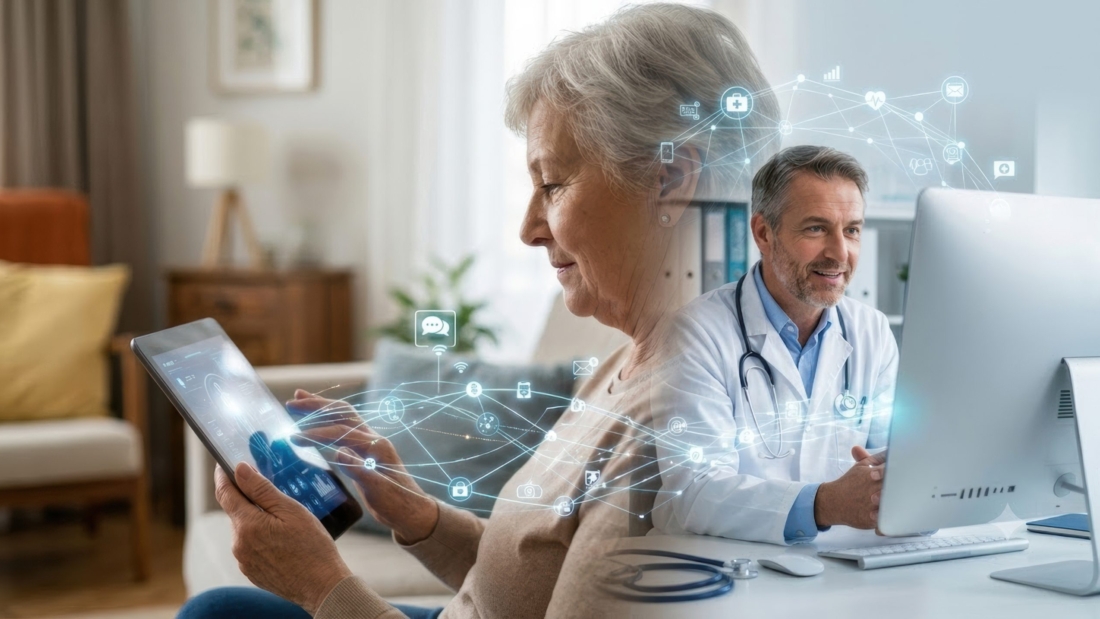
Healthcare has always depended on the ability to recognize patterns. A physician listens to a patient's description of symptoms, examines physical signs, reviews medical history, and compares the findings with years of clinical experience. Artificial int ...
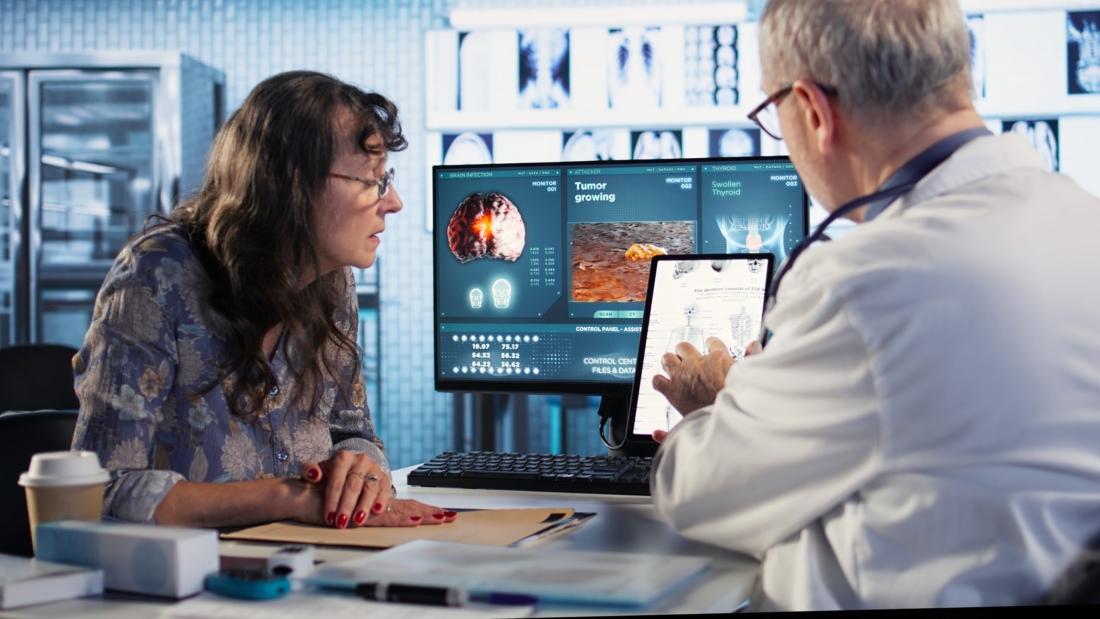
A Doctor’s Office Without Four Walls
A medical appointment no longer always requires a journey to a clinic. Digital communication tools allow patients and healthcare professionals to connect through video consultations, secure messaging, remote monitoring, and online medical records. These ...
Who Watches the Watchers? Protecting Health Data in the Age of AI
Artificial intelligence is becoming an important part of modern healthcare, helping medical professionals recognize patterns, organize patient records, and support clinical decisions. Yet these capabilities depend on access to large amounts of health-rel ...
Medicine Designed Around the Individual
Two people can receive the same diagnosis and respond differently to the same treatment. Age, genetics, medical history, lifestyle, existing conditions, and other factors can influence how a disease develops and how the body responds to medication. These ...